
In Hospitals, Clinics

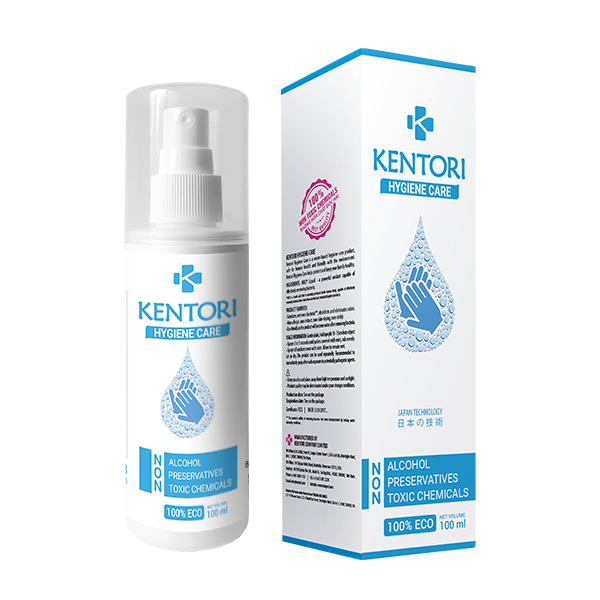
KENTORI water can be used to clean all contact surfaces in the hospitalIt has the ability to replace all chemicals used in Hospitals, Clinics, Medical facilities to clean surfaces or professional medical instruments. 

Specific HOCl water applications include:

  1. Disinfection of gathering places for medical examination and treatment at hospitals, clinics, and medical facilities: clinics, tables and chairs, waiting rooms, floors and toilets. 
  2. Personal hygiene for doctors, medical staff when in contact with patients, or caring from one patient to another, avoids the risk of cross-contamination at medical facilities.
  3. Sanitize medical equipment such as stethoscopes, blood pressure cuffs, medical supplies trays, or items used between patients.
  4. Cleaning of machinery and function rooms that need intensive disinfection such as operating rooms, operating tables and anesthesia equipment, x-ray machines, etc.
  5. Disinfect the air in the hospital and clinic environment, contributing to the destruction of pathogens with a high risk of spreading. Contributing to limiting the risk of cross-infection between patients and creating a safe environment for the medical examination and treatment area - which is considered a place where many bacteria and viruses are concentrated.
 

Leave a Reply

Your email address will not be published. Required fields are marked *

related news

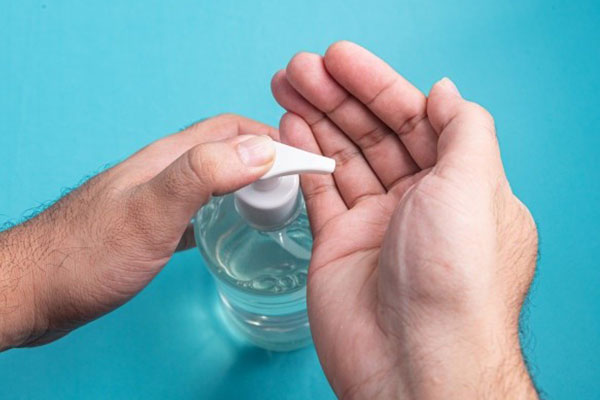
The market today is very diverse with antibacterial products or dry hand sanitizers that have the ability to kill bacteria and viruses. However, many of them are unclear in origin and composition, even containing chemical ingredients that are harmful to the skin.

Dr. Bui Quang Hao, Head of Infection Control Department (Central Hospital of Dermatology) said that recently, the hospital has received many cases of allergic contact dermatitis, redness, peeling, itching... Using medical history, many patients said that in the past few days, they have used disinfectant solutions bought floating on the market or used homemade solutions to disinfect hands to prevent Covid-19. It is not possible to confirm whether 100% is caused by the use of rapid hand sanitizer by the patient because clinical or specific testing is required, but the use of floating products, of unknown origin, has not been confirmed. tested by authorities can affect the skin of the hands and increase the risk of disease.

With alcohol-based hand sanitizers, if the alcohol concentration is too low (below 60 degrees), there is no bactericidal effect or poor bactericidal effect. Meanwhile, if the alcohol concentration is too high (90 degrees), it will coagulate and clot the protein layer on the surface of bacteria and viruses, reducing the bactericidal effect. Although alcohol-based disinfectants have a bactericidal effect, long-term use will cause dryness and peeling of the skin of the hands.

In addition, the doctor also said that quick antiseptic products that do not need to be rinsed with water often contain a large amount of chemicals, so it leaves a large chemical residue on the skin causing an unpleasant odor. Quick hand sanitizer also often contains BPA, a very dangerous chemical that affects the endocrine system leading to cancer, this chemical can enter the body if hands accidentally come into contact with the eye area or mouth…

Thereby, it can be concluded that choosing a standard germicidal product with clear origin is extremely necessary in maintaining hygiene and protecting health. Doctors recommend that consumers buy antibacterial products at reputable stores, besides that consumers should also learn about ingredients, active ingredients, and concentrations before making a choice. For young children, it is recommended to use specialized bactericidal products, and when children use it, it is necessary to have parental supervision.

To maintain personal hygiene and reduce the risk of disease, advice from epidemiologists is to wash your hands often. Hand washing will help eliminate harmful microorganisms, thereby limiting the ability of those microorganisms to enter the human body. However, improper hand washing and the selection of chemical and alcohol-based hand sanitizers will harm the skin of the hands and the risk of chemical residues is very high. So, how should we clean and care for our hands? Let's find out with us.

  • Wash your hands according to the instructions of the Ministry of Health to eliminate bacteria and viruses that cause disease according to the specific procedures as follows:

  • Use protective gloves: Using gloves will limit direct skin contact with objects with a high risk of infection or harmful chemicals. It is also important to choose good quality, soft and comfortable gloves and to change them regularly. However, gloves are not always available, especially in public places, so it is essential to proactively prepare an effective and safe germicidal product.
  • Choose the right hand sanitizer that is effective and safe: usually, washing hands with soap and water is the most effective at removing dirt. However, it is not always possible. Therefore, using quick hand sanitizer will bring many conveniences. However, you should choose a fast hand sanitizer product with clear origin, effective bactericidal ability, benign ingredients, and little or no fragrance that is harmful to the skin of your hands.
  • Provide necessary moisture to care for hand skin: Besides choosing a reasonable hand sanitizer, supplementing skin with nutrients is also really necessary. Depending on your preferences and the nature of your skin, you can choose a suitable hand care product.