 EN
EN  VI
VI The use and abuse of chemicals in disinfection causes many serious consequences. Let's take a look at some of the most dangerous disinfectants:
Chloramine B antiseptic:
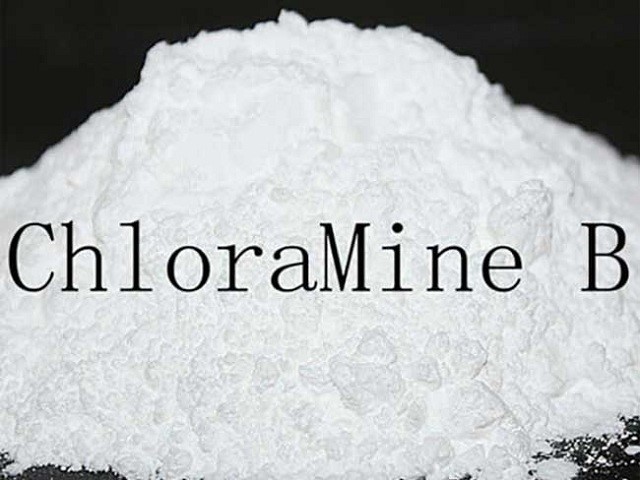
Besides a very good and effective disinfectant effect, chloramin B can be toxic to people who are in direct contact with chemicals such as: Skin damage, skin burning and discomfort; Eye damage to the cornea, even blindness; Respiratory damage causes smooth muscle spasms, difficulty breathing…
When using Chloramin B chemicals, absolutely must follow the instructions for use of the Ministry of Health, need to handle immediately when there are signs of poisoning caused by chloramin B, specifically:
When sucking or swallowing chloramin B antiseptic tablets or powder, the patient should immediately drink a warm, unstimulated amount of water to try to induce vomiting and must immediately go to the nearest medical facility for intervention. .
When breathing air containing the concentrated active chlorine chemical of chloramin B, the victim must be removed from the contaminated air area immediately and quickly transferred to the nearest medical facility for treatment.
When chemical splashes into the eyes, wash eyes and face immediately with clean water several times, and also immediately go to the nearest medical facility for examination. When chemicals are splashed on clothes or on skin, immediately remove contaminated clothing, wash the skin area with warm clean water and soap.
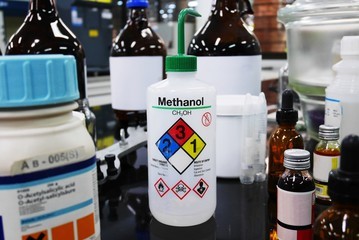
Methanol (Industrial Alcohol):
Alcohol is a disinfectant that is widely used because it is cheap, easy to buy, highly active, but just careless, in the disinfectant solution, use the wrong alcohol, use industrial alcohol, not medical alcohol (Ethanol). it would be very dangerous.
Industrial alcohol – specifically Methanol, a toxic alcohol used industrially as a solvent and insecticide. Inhalation of high concentrations of methanol vapor and absorption of methanol through the skin are just as effective as oral administration in producing toxic effects. The fatal dose of pure Methanol is estimated at 1 to 2 ml/kg. However, there have been cases of permanent blindness and death with doses of only 0.1ml/kg. Initial adverse effects from methanol poisoning include drowsiness, decreased consciousness (central nervous system depression), confusion, headache, dizziness, and inability to coordinate muscle movements (ataxia). draw). More serious can cause acid buildup in the blood (metabolic acidosis), blindness and death.
When there are symptoms of industrial alcohol poisoning, it is necessary to immediately bring the patient to the nearest medical facility for timely rescue and treatment.
The principle of timely response to the patient is to ensure stable physiological indicators for the patient.
Using specific antidote measures, early dialysis may be indicated if there is clear evidence. Test the concentration of Methanol and Ethanol in the patient's body to give a reasonable treatment direction.
Treatment of symptoms and complications, supportive treatment in the recovery phase.
Ozone disinfectant:
Ozone has many applications in life thanks to its excellent disinfecting and bactericidal properties. However, when using ozone, it is necessary to be very careful and pay attention to the concentration, usage and dosage because ozone is harmful to human health, especially for the elderly, children and people with diseases. Respiratory. According to the recommendations of the National Institute of Occupational Safety and Health, the concentration of ozone in the air should not exceed 0.10 ppm at any time. There is no recommendation to use ozone to disinfect clothes and human skin under normal conditions. Ozone gas easily causes respiratory diseases such as bronchitis, rhinitis ... mainly in the nervous system and respiratory tract.
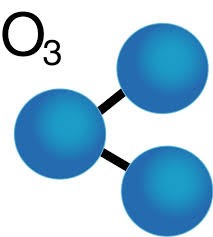
Ozone poisoning usually begins with headache, shortness of breath, and dry cough. In more severe cases, asthma or vision damage, lens damage leading to blindness. The World Health Organization (WHO) has set the safe threshold for ozone as 0.06 ppm (0.06ml ozone/1 liter of air). So when you start to smell the fishy smell of ozone (when the ozone concentration is about 0.02-0.05 ppm), you should stay away immediately, especially for people with asthma or children. In addition, ozone gas can also damage rubber materials and quickly rust metal objects in the house. Therefore, do not stay in the room while using ozone to deodorize and kill bacteria. In particular, when smelling the burning smell of ozone, we should stop and open the window for ventilation. When there are symptoms of poisoning, it is necessary to immediately go to the nearest medical facility for assistance.
HOCL ACTIVES- TECHNOLOGY BREAKING- LEVEL UP SOLUTION
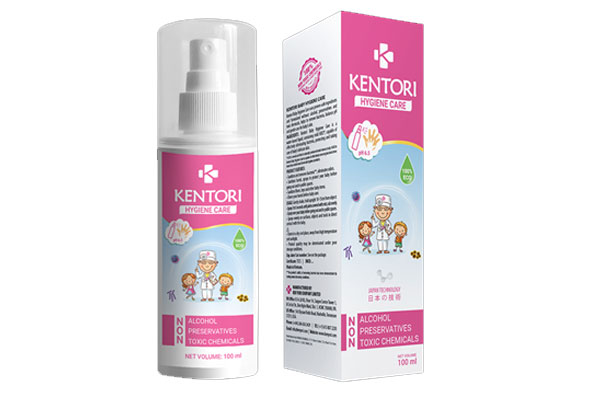
Hypochlorous acid solution (HOCL) produced by Japanese technology is currently a new option besides Chloramin B solution for disinfection.
With outstanding advantages in safety such as non-irritating to the skin including sensitive areas such as the face and mouth, non-toxic when in contact with organic substances, quickly decomposing into water and evaporating after spray,
HOCL is recommended by the FAD as an alternative to alcohol-based disinfectants and other harmful chemicals.